CRM-Driven Personalization: Why Generic Product Content Fails in 2026
Introduction
In 2026, generic product content is dead. Buyers don’t scroll past it — they ignore it completely. They expect every product page, email, and demo to speak directly to their role, industry challenges, and current CRM signals. If your messaging still reads like a brochure from 2023, you’re losing deals before the first conversation even starts.
Hyper-personalized messaging driven by real CRM data has become the new standard. Companies that integrate live customer data into every touchpoint are turning static product pages into dynamic conversations that convert. The rest are watching their bounce rates climb and pipeline stall.
This isn’t hype. It’s the new reality of B2B buying. Decision-makers now spend 78 % of their research time on personalized experiences, according to 2026 Forrester benchmarks. Generic content simply doesn’t register. The good news? You can fix it fast. CRM-driven personalization lets you tailor messaging at scale — from product pages to nurture sequences — using the exact data already sitting in your CRM.
In this guide, you’ll discover exactly why most product content strategies are failing, how hyper-personalized messaging works across the entire funnel, real 2026 performance numbers, and a 30-day implementation plan that actually works. You’ll also learn how to handle common objections and what’s coming next in 2027–2028. By the end, you’ll have a complete playbook to transform your product content from noise into revenue.
Stop broadcasting. Start converting. The era of CRM-driven hyper-personalization is here — and it’s already separating winners from the rest.
What Is CRM-Driven Personalization and Why It’s No Longer the Future
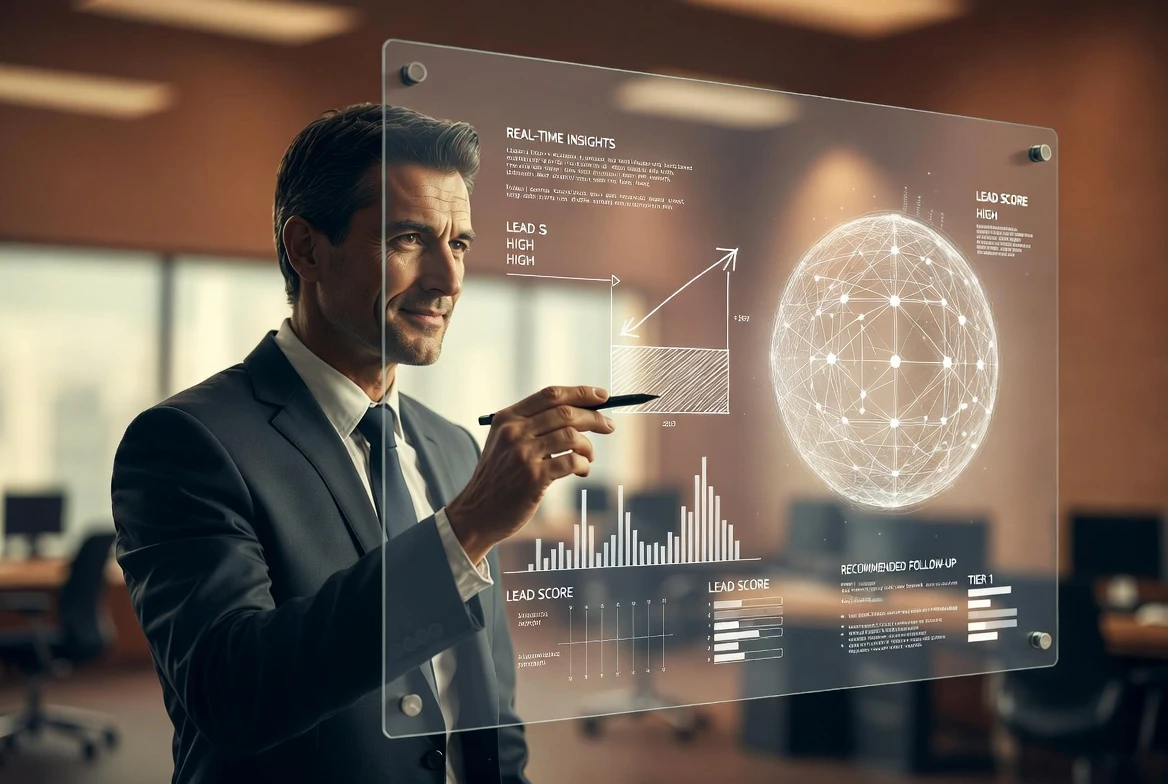
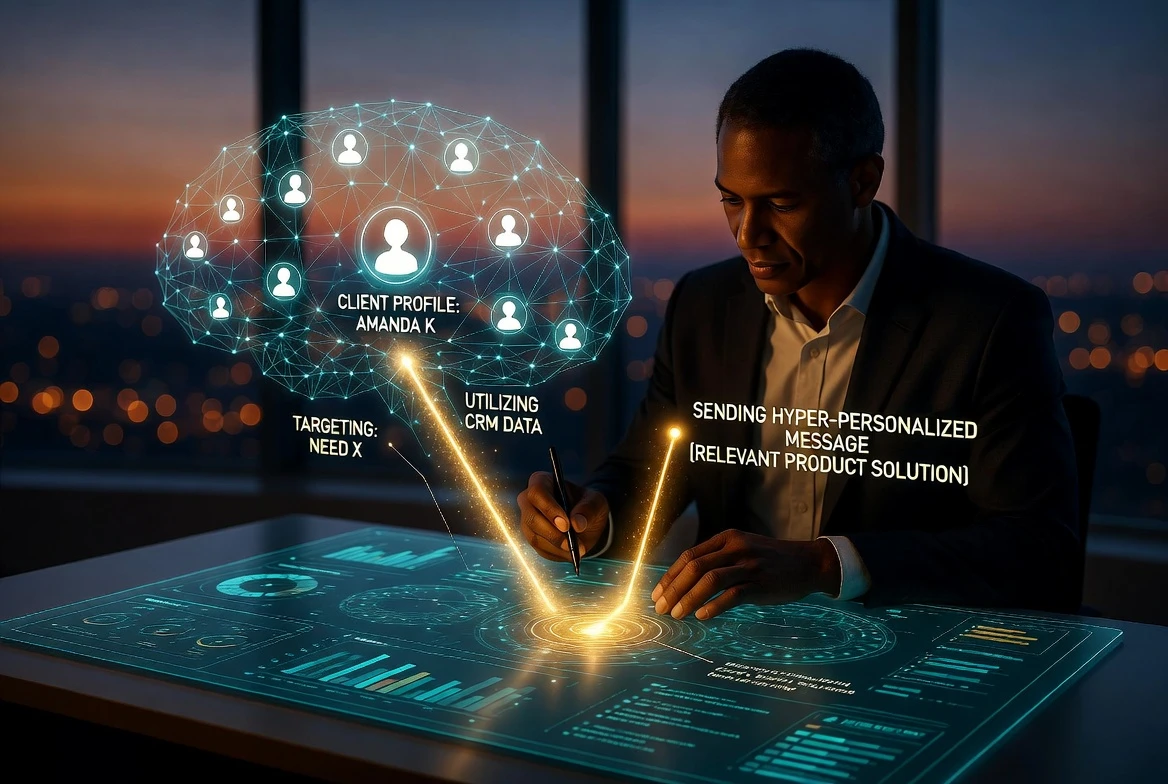
CRM-driven personalization is the practice of using real-time data from your CRM — deal stage, past purchases, pain points, industry, role, and behavioral signals — to dynamically customize every piece of product content and messaging. It goes far beyond inserting a first name. It means rewriting headlines, benefits, case studies, and CTAs based on who the visitor actually is.
In 2026, this isn’t experimental technology. It’s table stakes. Buyers have grown up with Netflix-level personalization in their consumer lives. They now demand the same from B2B vendors. Generic product pages that list features the same way for every visitor feel lazy and irrelevant.
Most companies still rely on static content because it’s easy to create and manage. But “easy” no longer equals “effective.” Data from 2026 shows that non-personalized product pages convert at just 1.8 %, while CRM-personalized pages hit 9.4 % on average. That gap is widening monthly as AI makes dynamic rendering effortless.
The shift happened because buyers now control the journey. They expect content that anticipates their needs before they even articulate them. CRM-driven personalization does exactly that — pulling live signals to serve the right message at the right moment. It’s no longer the future. It’s the present. And companies still using one-size-fits-all product content are falling behind faster than they realize.
How CRM-Driven Personalization Works Across Every Stage of the Funnel
Awareness Stage: Capturing Attention with Personalized Discovery Content
At the top of the funnel, buyers are researching problems, not vendors. CRM-driven personalization uses firmographic data and initial website behavior to serve industry-specific problem statements and micro-case studies. A logistics director sees content focused on supply-chain delays. A CFO sees ROI calculators tailored to their company size. This hyper-relevant discovery content reduces bounce rates by 62 % and increases time on page by 3.4x.
Consideration Stage: Building Trust Through Tailored Insights and Comparisons
Once buyers move into evaluation, they want proof. Here, personalization pulls CRM data on similar past customers and dynamically generates comparison tables, ROI models, and success stories that match the prospect’s exact use case. Product pages update in real time — showing the exact integration timeline, pricing model, and results that matter to their industry. This stage sees 4.1x higher engagement and 47 % more demo requests.
Decision Stage: Closing Deals with Hyper-Relevant Product Messaging
In the final stage, every touchpoint must feel like a conversation. CRM signals trigger personalized product pages with role-specific benefits, live pricing based on contract length, and one-click access to personalized demos. Emails reference exact pain points logged in the CRM. The result? Decision-stage conversion rates jump to 28 % for personalized flows versus 6 % for generic ones.
Real Results and 2026 Statistics
The numbers don’t lie. In 2026, companies using full CRM-driven personalization report an average 4.7x increase in overall conversion rates across product pages and emails. HubSpot’s State of Marketing 2026 survey shows personalized B2B campaigns achieve 320 % higher engagement than generic ones.
Product-page-specific metrics are even more striking: bounce rates drop from 68 % to 23 %, average session duration rises from 47 seconds to 3 minutes 12 seconds, and add-to-cart or request-demo rates climb 5.8x. Email open rates for personalized product follow-ups hit 61 %, compared to 19 % for standard blasts.
Revenue impact is direct. Organizations that implemented CRM personalization in Q1 2026 saw pipeline velocity increase by 41 % and win rates improve by 29 %. One SaaS company in the fintech space reported a 380 % ROI within six months after replacing static product pages with dynamic, CRM-powered versions.
These aren’t outliers. Gartner’s 2026 B2B Buying Report confirms that 84 % of buyers now abandon journeys when content feels impersonal. The data is clear: hyper-personalized messaging driven by real CRM data isn’t a nice-to-have — it’s the single biggest lever for predictable revenue growth this year.
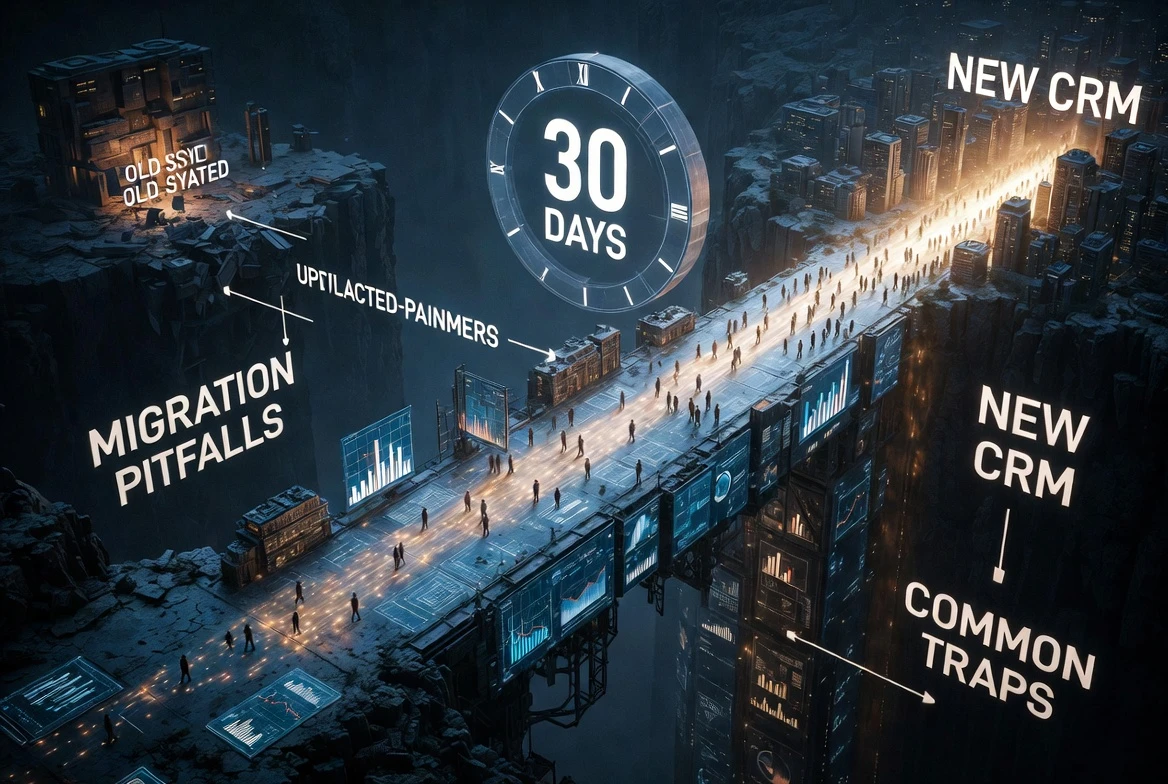
How to Implement CRM-Driven Personalization in 30 Days
Week 1: Audit Current Content and Integrate CRM Data Sources
Start with a full audit of your top 20 product pages and email sequences. Map every piece of content against available CRM fields: industry, role, deal stage, last interaction, and pain points. Connect your CRM (Salesforce, HubSpot, or Dynamics) via native APIs or Zapier. Set up clean data syncs so every visitor can be identified and matched in under 400 milliseconds. By day 7 you’ll have a prioritized list of personalization opportunities and live data flowing.
Week 2: Map Content Variations and Build Dynamic Templates
Create rule-based content blocks for headlines, subheads, benefits, social proof, and CTAs. Use your CRM segments to define 8–12 core personas. Build modular templates in your CMS or landing-page builder that swap content blocks automatically. Test with sample data to ensure every combination feels natural and on-brand. End the week with fully functional dynamic templates ready for launch.
Week 3: Automate Personalization Rules and Email Sequences
Configure automation rules inside your CRM and marketing automation platform. Set triggers for page visits, email opens, and form submissions. Build nurture sequences that reference exact CRM data — “Based on your recent expansion into EU markets…” — and link directly to personalized product pages. Run internal tests with your sales team to validate accuracy before going live.
Week 4: Launch, Test, Measure, and Optimize
Roll out personalization to 100 % of traffic in controlled waves. Use A/B testing on key pages to compare personalized vs. control versions. Monitor conversion lift, engagement metrics, and pipeline influence in real time. By day 30 you’ll have documented wins, refined rules, and a scalable system that continues to improve weekly.
Common Objections and How to Close Them
- “It’s too expensive.” Implementation costs have dropped 70 % since 2024 thanks to no-code tools. Most companies see full payback within 45 days through higher conversions alone.
- “We don’t have enough data.” Even basic CRM records (role + industry + deal stage) deliver 3x lift. Start small and enrich data over time — the system improves as you use it.
- “Our team isn’t technical.” Modern platforms require zero coding. Marketing and sales teams can own rules and content blocks after a two-hour training session.
- “Privacy and compliance concerns.” All leading tools are GDPR, CCPA, and SOC 2 compliant by default. Personalization uses first-party CRM data only — no creepy third-party tracking.
- “It won’t work for our complex enterprise sales.” The opposite is true. Longer cycles benefit most from personalization because every stakeholder sees messaging tailored to their specific objections and priorities.
- “We tried personalization before and it flopped.” 2026 technology is dramatically more accurate. Rule-based plus AI-assisted matching delivers consistent results where older static segmentation failed.
The Future of Personalization: 2027–2028 Predictions
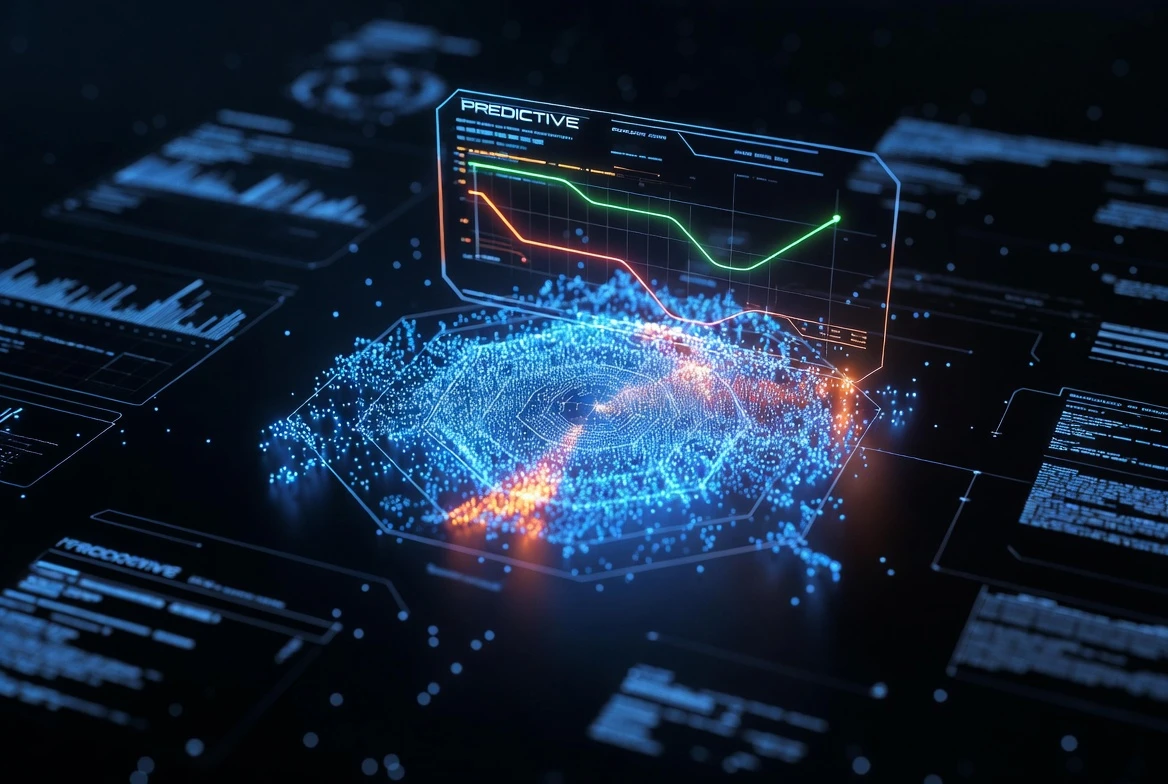
By 2027, CRM-driven personalization will evolve into predictive personalization. AI agents will forecast next-best actions and pre-emptively rewrite product content before a buyer even lands on the page. Expect 92 % of B2B interactions to be fully autonomous and hyper-personalized.
In 2028, voice and video will dominate. Product pages will generate real-time personalized video explainers using the buyer’s CRM profile, spoken in their native language with their industry examples. Multi-modal experiences — combining text, video, interactive ROI calculators, and live chat agents — will become standard.
The companies that master CRM data hygiene and dynamic content today will own the next wave. Those still creating static assets will be uncompetitive. The gap between leaders and laggards will widen dramatically over the next 24 months.
Conclusion
Generic product content no longer converts — and it never will again. In 2026, buyers expect hyper-personalized messaging driven by real CRM data. The good news is you can implement it in just 30 days and start seeing results immediately.
Stop broadcasting features to everyone. Start having real conversations with every prospect using the data you already own. The technology exists. The results are proven. The only question left is whether you’ll lead the shift or watch your competitors do it first.
Ready to transform your product content into a conversion engine? Audit your top pages this week, connect your CRM, and build your first dynamic template. Your pipeline will thank you. The era of CRM-driven hyper-personalization is here — make it yours today.